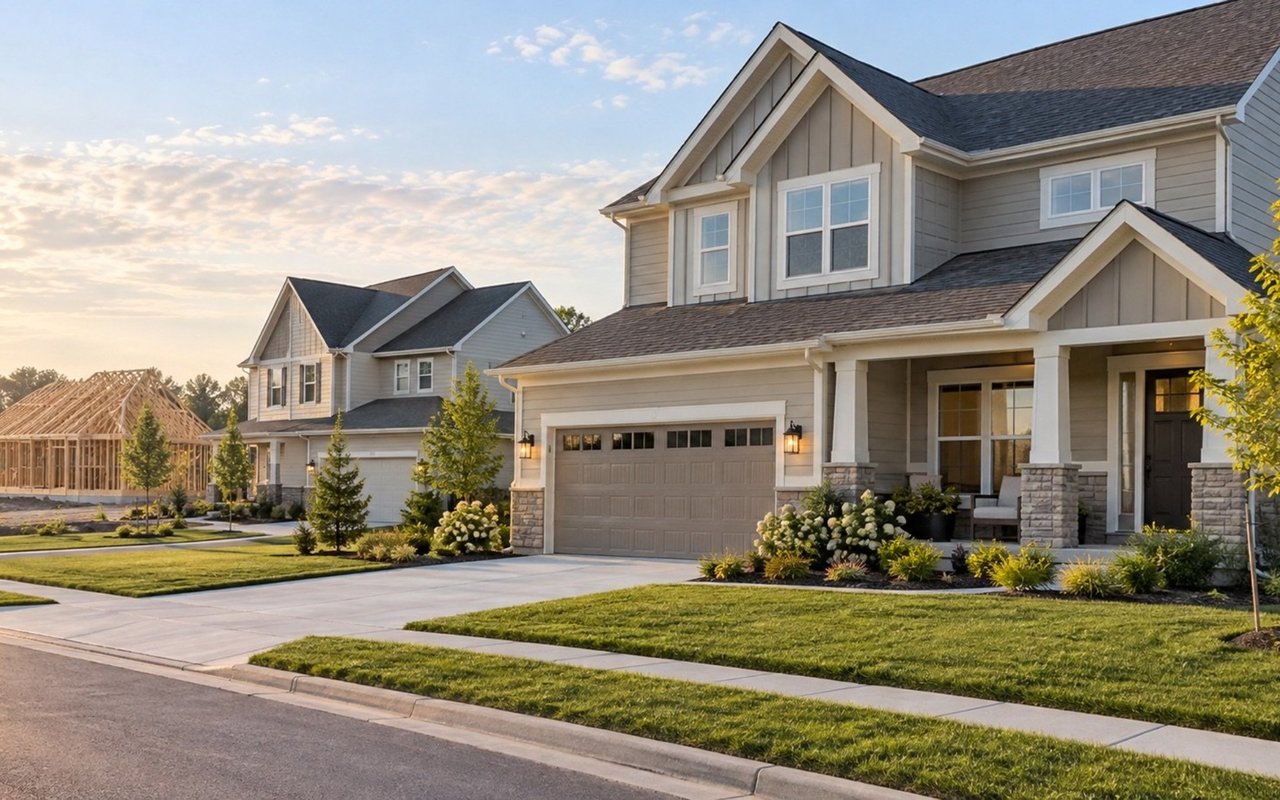
The prospect of a reduced monthly payment can make a newly constructed home seem more attainable. Additionally, a credit for closing costs may free up funds for your move, while an upgrade package can enhance a standard layout. As builders vie for buyers in the 33410 area this September, it's essential to closely examine these offers, since their value involves more than just the numbers advertised.
This past September, a notable 66% of builders across the country reported utilizing sales incentives, a rise from 63% in August. On the other hand, 38% indicated they had lowered prices, compared to 35% the previous month. The confidence level among builders dipped by three points to 32. Collectively, these indicators imply that builders are intensifying their efforts to convert interest into finalized sales. However, not every community will provide identical incentives nor can every buyer expect to qualify.
For anyone assessing property options nationwide, a crucial aspect to consider is how each offer impacts the overall purchase: from the total cost, financing options, cash required at closing, recurring expenses, to the property itself.
A Shift in Construction Trends
Recent construction data highlight the importance of delving deeper than surface-level statistics. Housing starts in August were estimated at a seasonally adjusted annual rate of 1.275 million units. Meanwhile, total building permits stood at a 1.394 million pace, with single-family permits registered at 878,000—lower than the revised figure of 894,000 for July.
It’s essential to recognize that these figures represent annualized rates rather than the actual number of homes constructed in August. Furthermore, starts and permits pertain to different phases of the construction process. Obtaining a permit doesn’t guarantee that a home will be ready when you want to move in. Monthly estimates are subject to adjustments, and temporary variations are not reliable indicators for a specific neighborhood.
Thus, it’s advisable to focus on homes that are currently available and have definite completion dates instead of assuming there will be a variety of choices everywhere based on national construction trends.
Breaking Down the Offer
Start by obtaining a clear, written outline of the purchase price along with each incentive. Discounts on price, credits for qualifying closing costs, and included appliance packages each solve unique issues. Merging these into a single advertised savings figure can obscure valuable comparisons.
For instance, a lower purchase price might decrease the amount financed, depending on the down payment. Assistance with closing costs can lessen the immediate cash needed for the transaction. While included amenities can help avoid post-move expenses, the significance of these features varies based on individual preferences.
For example, a buyer who already possesses necessary appliances might not find value in an included appliance package as much as someone trying to equip their first home. Likewise, individuals keen on maintaining a moving reserve may find closing assistance more appealing. This doesn’t make one option better than the other; rather, it clarifies which elements should be prioritized.
Assessing Payments Following Incentives
When an incentive pertains to mortgage payments, inquire whether the benefit is short-term or extends for the duration of the loan. Temporary buydowns utilize preallocated funds to subsidize initial payments but do not eliminate the borrower's obligations under the mortgage. After the assistance period concludes, the borrower must adhere to the full required payment.
It’s prudent to request the lender to outline the payment structure at all stages of the arrangement. A household budget should remain functional even after the temporary assistance stops, without relying on anticipated future refinancing or salary increases. Refinancing involves securing a new loan approval and may incur further costs; hence it shouldn’t be regarded as a guaranteed way out of a challenging payment situation.
Comparing Financing Options Fairly
If an incentive is linked with a specific lender, it’s essential to benchmark that offer against estimates from independent lenders for an equivalent purchase and loan setup. Ensure that the loan amount, down payment, and loan duration remain consistent in all comparisons. Quotes that originate on different dates might reflect shifts in the market, so it’s vital to inquire about timing and the status of any rate locks.
Analyze the interest rate, lender fees, credits, cash at closing, and the total monthly payment comprehensively. The lowest initial payment doesn’t necessarily equate to the best deal over the long haul. The five-year outlook on a Loan Estimate can help organize your comparison, though the most relevant timeframe depends on your expected duration of the loan.
Moreover, it’s crucial to distinguish between the cost of the mortgage principal and interest and the overall expenses associated with homeownership. Property taxes, insurance premiums, potential association fees, utility costs, and routine maintenance should all be factored into the budget. Seek estimates tailored to the specific property rather than relying solely on model-home marketing.
Place the Home at the Heart of the Choice
While a tempting incentive can make a purchase appealing, it should enhance a suitable home choice rather than distract from inadequate properties. Evaluate the layout, storage capabilities, outdoor areas, daily commute requirements, and surrounding development plans. Clarify what is incorporated in the quoted price versus what costs may arise for features in the model home.
For any unfinished residence, discuss the anticipated completion timeline and the implications of any potential changes to that schedule. A discount may lose its appeal if uncertainties around moving necessitate temporary housing, storage solutions, or additional relocations. This line of questioning is especially crucial for buyers managing relocations from different regions or countries.
Thoroughly examine the builder's warranty alongside the quality of finishes. The length of coverage, any exclusions, and the procedure for reporting defects are critical components that need attention. A warranty does not guarantee that every future cost will be covered. Be sure to clarify how any outstanding issues from the final walkthrough will be documented and rectified, and consider commissioning an independent inspection as a part of your property assessment.
Implications for the Overall Market
Incentives for new homes should be weighed when compared with existing properties as well. The location or surrounding features of a resale home may justify different trade-offs, while the terms of a new home can significantly affect the total moving costs. The appropriate comparison involves complete and realistic purchase options, rather than just looking at two asking prices stripped of conditions.
The rise in builder incentives this September provides buyers in the 33410 area with additional motivation to pose detailed inquiries and evaluate written proposals closely. It's neither a promise of discounts nor an assurance of a uniform trend in home pricing across the nation. A valuable offer is one that enhances the affordability of a home that meets the buyer's needs, while ensuring that terms are manageable well beyond the promotional period.
Rewritten using AI